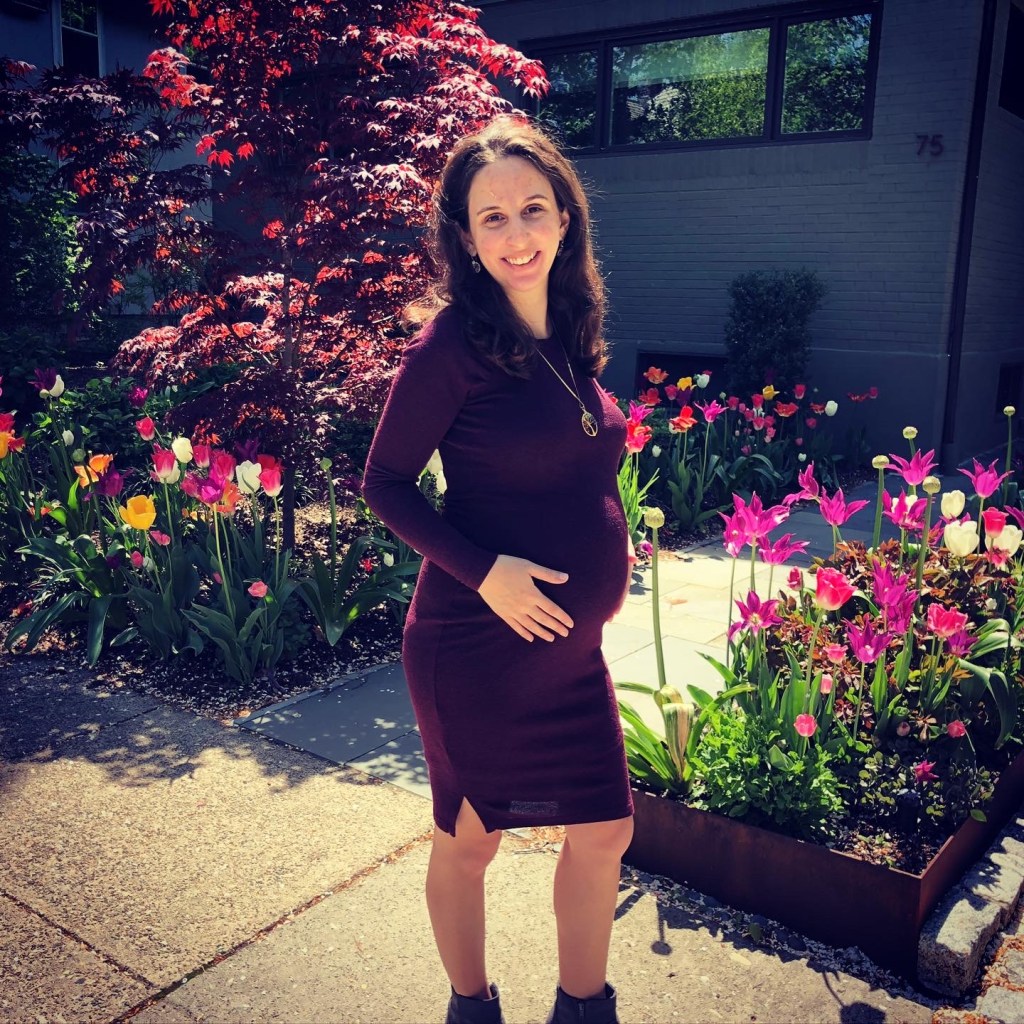
I am excited to announce that I am officially certified as a perinatal mental health provider by Postpartum Support International!
My pursuit of the PMH-C was born (pun intended) from my own personal journey into motherhood. I had my first child during the summer of 2020 at the height of the COVID-19 pandemic, and have since welcomed two more children into my family. Becoming a mother has fundamentally changed my life in ways I never thought possible. I went from someone who luxuriated in sleeping in on the weekends, and enjoying quiet mornings with my coffee, to a life sleep deprivation, new sources of anxiety, and constant demands for attention from three under the age of five.
Before I had my own children, I worked with countless mothers and parents, helping them through the issues they faced. But it was not until I experienced the role personally, that I could truly appreciate the challenges, both external and internal, that we face. Becoming a mother is a wondrous, joyful experience, filled with ups and downs, excitement and fear, and hopes about the future. In the same breath, it can also be a source of mental, physical, and interpersonal struggles. As a PMH provider, I am committed to helping you navigate the life changing journey of becoming a parent. Everyone’s experience is unique and everyone deserves support and care, physically and emotionally, from their healthcare providers. It would be my honor and privilege to provide that care through yours.
Does dating ever feel as crazy as walking on a tight rope? It feels risky, intimidating and there’s no guarantee you will make it to the other side in one piece! I am definitely making an over-exaggeration, but let’s consider some other hypothetical dating scenarios that are more realistic.
Have you ever been on a date where there are sparks right away, but then two or three dates later that person starts to pull away? Have you ever dated someone that only gives you love an attention on their terms, but then disregards your own needs? Have you ever been in a relationship where you would do anything to stay, but all the signs are telling you to leave?
If you have ever experienced or are currently in a relationship that feels like an emotional roller coaster, you are not alone! The good news is, you can learn to recognize people who do not have interest in committed relationships and spend your valuable time meeting people who are ready for a steady relationship. I recently read the book, Attached. by Amir Levine, M.D. and Rachel S.F. Heller, M.A. where they go in depth into the concept of attachment theory. It essentially explains the psychological and biological reasons for why we behave the way we do in relationships. According to the authors, every person falls in to one of three attachment styles: anxious, avoidant, and secure.
The 3 Attachment Styles
According to Attached., anxious people “crave intimacy and tend to worry about their partner’s ability to love them back”, while avoidant people “equate intimacy with a loss of independence and constantly try to minimize closeness”. Secure people, however “feel comfortable with intimacy and are usually warm and loving” (Levine & Heller, 2012, back cover).
Now that you are aware of these attachment styles, I bet that right now you are thinking about all the people you dated and what category they fit into or alternatively how one of these styles explains your own dating patterns. Want to know for certain what attachment style you are? Take a free quiz here that only takes about 5 minutes!
The path to dating someone secure, and becoming more secure yourself along the way.
If you know you have an anxious attachment style it is important that you stay clear of avoidant people. It is essential to learn to recognize the red flags of an avoidant person. If you are looking to be in a long term relationship, do not waste your time on someone who provides you with ambiguous answers about commitment. Avoidant people tend to string you along by giving you just enough of what you need to stay, but not enough of what you need to feel secure which will only trigger your anxious habits, for example, obsessive behavior or other insecure habits.
Dating a secure person will mean they do not activate your anxious attachment system. Secure people are direct with there feelings and needs and do not avoid situations that are emotionally challenging. They have the capacity to recognize when their partner is having a problem and they try to resolve issues in healthy ways. Dating a secure person will help to remediate some if not all of the harmful patterns that get triggered when you are anxious.
My avoidant folks…I do not want this blog to lead you to the conclusion that you are undeserving or unworthy of a romantic relationship. The authors of this book describe that attachment styles are the result of evolutionary factors that have made avoidant people in particular, more independent and less dependent on the need for intimacy. In the same way that anxious people have to recognize when their attachment system is activated, you can also learn to identify your own triggers that cause you to distance yourself from relationships. It can be difficult to fight against instinct, but it is possible to see and embrace the positives of having a intimate and emotionally dependent relationship.
Dating Tips that improve a secure attachment style and decrease anxiety
When dipping into the dating pool, the authors suggest to try to date more openly. Not meaning you should get entangled in multiple relationships, but more along the lines of not putting all your eggs into one basket (poly relationships are a whole other story, we’re focusing on monogamous relationships) When you have dating options it can be easier to recognize when one date is working out better than another and move on quickly to the person you feel most connected to.
Beware of the “Phantom-Ex”. In Attached., the authors refer to this idea of the phantom-ex which is the habit of idealizing or romanticizing a previous partner. In this case, we are actively preventing ourselves from meeting a better and available match. In all reality, there is probably more than one reason that previous relationship did not work out and as soon as you realize that, you can then move on to something in the present with a potential future!
You will know you are dating a secure person when your emotional needs are completely met. You won’t be worrying and doubting how they feel about you and you will not be scared to communicate your needs in fear of driving them away. Dating a secure person does not guarantee you will have a peaceful conflict free relationship. What it does mean is that the two of you will have better odds of successfully finding compromises and resolution when disagreement happens.
I hope these insights about Attachment Theory will help you in your next dating adventure. Happy dating and good luck!
One of the most common barriers to therapy, other than insurance or finances is finding a therapist you actually like!
I’ve talked to clients and therapists alike trying to get an understanding about what makes a client therapist relationship work.
I’m going to share a few helpful tips that will guide you toward making an informed decision, before you meet with your next therapist.
Is this therapist familiar with your background?
First of all, a therapist does not have to be from the same race, gender, culture, ethnic or religious background as you are to be a great fit. What can improve a therapeutic connection, however is if they do have either educational, personal, or professional experiences or training with clients of your background. Having a therapist that is familiar with cultural diversity can improve the quality, trust, and benefit of the therapeutic experience.
You might ask, have you had clients like me? Are you familiar with ‘x’ aspect of my background? Have you helped clients with ‘y’ problem?
Asking questions during a consultation can confirm whether your therapist has experience with clientele like yourself or may be less familiar with people of your background.
2. Does this therapist specialize in the problems I’m dealing with?
Are you battling trauma, addiction, postpartum depression…? There could be a number of things you could be challenged with, so you should feel entitled to have a therapist who has professional experience or training in the areas you want to work on most.
Meeting with a therapist who has qualified experience or training in the areas you need help with most can immensely increase the positive outcomes you experience from therapy.
Many therapists have special training or certifications in clinical interventions that are meant to treat specific mental health conditions (i.e. PTSD) or more broadly family/relationship issues.
3. How is your therapist’s bedside manner?
So you found a therapist who is familiar with your background and they have great professional experience, but how do you feel when you are with them in the room (or virtually). Most therapists offer free consultations, so take advantage of that time to get to know them before you book!
Just as doctors, not one therapist is alike even if they went to the same school or had the same training. Much of what makes or breaks a therapeutic relationship is if you feel a positive presence from your therapist.
It’s important to remember that therapists are people too and are not perfect, but here are some characteristics that make some therapists more compassionate than others. Things to look for are: kindness, patience, good listening, flexibility, empathetic, and passion for what they do.




 Mental Wellness for Motherhood