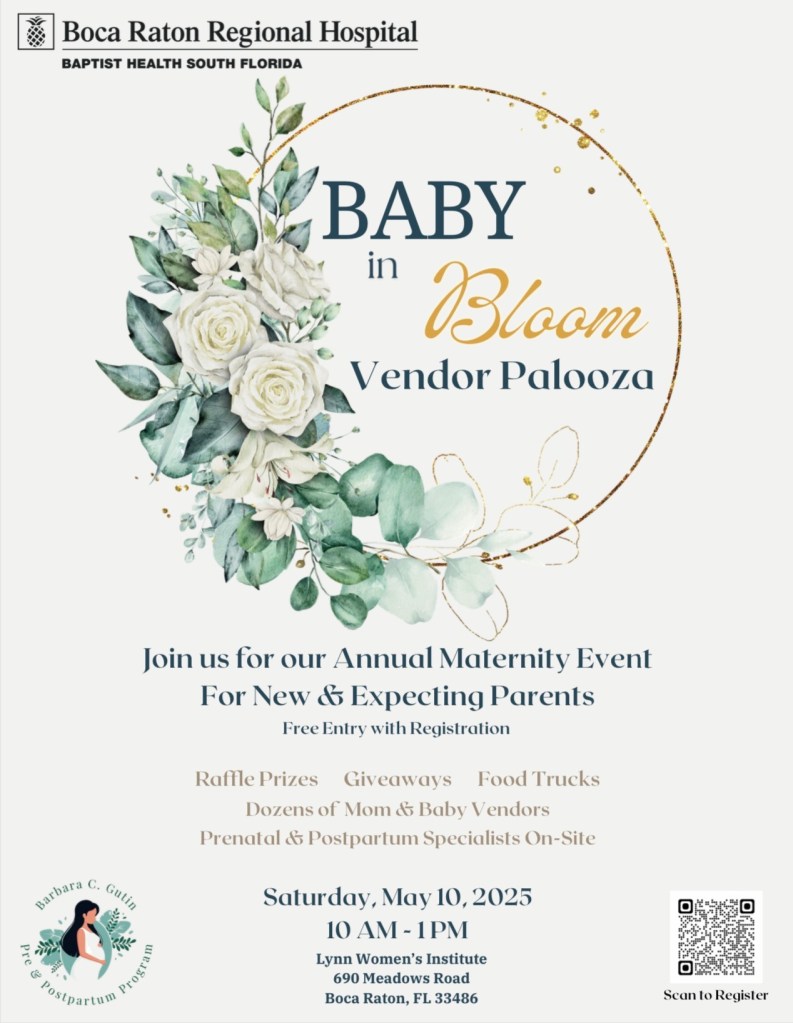
The Barbara C. Gutin Program is hosting their annual Baby Fair at the Lynn Women’s Institute on May 10th! If you are a new or expecting mother please join us and enjoy the dozens of vendors and organizations ready to ease your transition into parenthood. This event is FREE, but please register in advance here!
Please stop by the Gutin program table to have a conversation with our team of therapists. We will be happy to introduce you to all of the resources at the program and answer all of your questions! See you there!
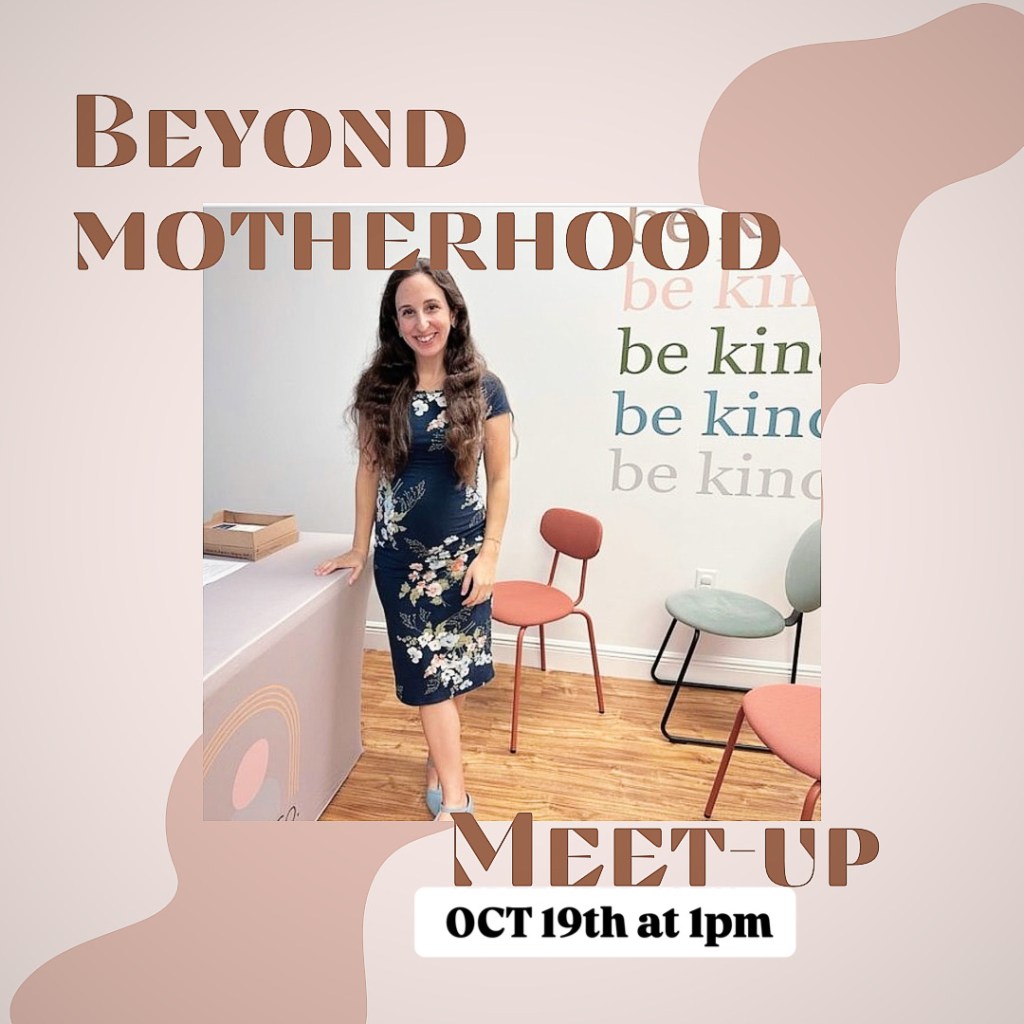
I’m excited to announce my collaboration with Child & Co. on October 19th from 1-2pm.
Child & Company and Samantha Joy Counseling invites you to attend an intimate group gathering hosted by yours truly! The “Beyond Motherhood” meet-up was created to hold a space for mothers who are coming off of their newborn baby era and are now facing their next chapter of mom life. Unlike most new parent support groups, that only focus on the pre or postpartum period, this group will go further to address the complexities of balancing everyday life as a parent.
If you have felt lately, that your mom-identity is your only identity then this will be a great experience for you to attend! Living your ‘best mom life’ does not mean just living vicariously through your kids. We will address why mothers tend to struggle with loosing their sense of self after having children and more importantly how to get it back!
Would you like the opportunity to meet like-minded mothers who are learning, doing, and achieving their personal and professional goals?! Then join me and dozens of other amazing women for the Yes We Can Conference 2024 happening on April 14th at the Boca Town Center Mall.
Whether you are a first time parent or not, all mothers can relate to the experience of trying to balance their personal life and their professional aspirations. At this event you will get to hear from local ‘mompreneurs’ aka women in business who have succeeded in bridging the roles between both worlds.
Featured panelist!
I am so excited to be a part of a select group of women who will be discussing their journeys and contributions to their community. What I hope to promote to conferences goers is prioritizing needs that contribute to having a healthy wellbeing. My role as a mental health counselor is first, to help people be in a better place psychologically and physically, so then they can set attainable goals both personally and professionally. It is much more difficult to succeed career-wise if we are not mentally fit do so. I would encourage every pre and postpartum mother to have at least one, but preferably more than one counseling session with a therapist to check in on their mental health before taking on more responsibilities.
If you want to attend the Yes We Can Conference 2024 click this link to buy your tickets now!
As a relative new comer to private practice, I’ve been figuring out the ropes of what works, what doesn’t, and everything else in between. There can be many barriers to accessing good quality therapy, but one of the biggest is the cost of care. That is why I joined Alma. Through Alma I am now in-network with Aetna, Optum (United Health Care/United Behavioral Health), and Cigna. Now Samantha Joy Counseling will be able to provide quality therapy services to more people who depend on their insurance for healthcare. Appointments can be requested through Alma or my website here.
Does dating ever feel as crazy as walking on a tight rope? It feels risky, intimidating and there’s no guarantee you will make it to the other side in one piece! I am definitely making an over-exaggeration, but let’s consider some other hypothetical dating scenarios that are more realistic.
Have you ever been on a date where there are sparks right away, but then two or three dates later that person starts to pull away? Have you ever dated someone that only gives you love an attention on their terms, but then disregards your own needs? Have you ever been in a relationship where you would do anything to stay, but all the signs are telling you to leave?
If you have ever experienced or are currently in a relationship that feels like an emotional roller coaster, you are not alone! The good news is, you can learn to recognize people who do not have interest in committed relationships and spend your valuable time meeting people who are ready for a steady relationship. I recently read the book, Attached. by Amir Levine, M.D. and Rachel S.F. Heller, M.A. where they go in depth into the concept of attachment theory. It essentially explains the psychological and biological reasons for why we behave the way we do in relationships. According to the authors, every person falls in to one of three attachment styles: anxious, avoidant, and secure.
The 3 Attachment Styles
According to Attached., anxious people “crave intimacy and tend to worry about their partner’s ability to love them back”, while avoidant people “equate intimacy with a loss of independence and constantly try to minimize closeness”. Secure people, however “feel comfortable with intimacy and are usually warm and loving” (Levine & Heller, 2012, back cover).
Now that you are aware of these attachment styles, I bet that right now you are thinking about all the people you dated and what category they fit into or alternatively how one of these styles explains your own dating patterns. Want to know for certain what attachment style you are? Take a free quiz here that only takes about 5 minutes!
The path to dating someone secure, and becoming more secure yourself along the way.
If you know you have an anxious attachment style it is important that you stay clear of avoidant people. It is essential to learn to recognize the red flags of an avoidant person. If you are looking to be in a long term relationship, do not waste your time on someone who provides you with ambiguous answers about commitment. Avoidant people tend to string you along by giving you just enough of what you need to stay, but not enough of what you need to feel secure which will only trigger your anxious habits, for example, obsessive behavior or other insecure habits.
Dating a secure person will mean they do not activate your anxious attachment system. Secure people are direct with there feelings and needs and do not avoid situations that are emotionally challenging. They have the capacity to recognize when their partner is having a problem and they try to resolve issues in healthy ways. Dating a secure person will help to remediate some if not all of the harmful patterns that get triggered when you are anxious.
My avoidant folks…I do not want this blog to lead you to the conclusion that you are undeserving or unworthy of a romantic relationship. The authors of this book describe that attachment styles are the result of evolutionary factors that have made avoidant people in particular, more independent and less dependent on the need for intimacy. In the same way that anxious people have to recognize when their attachment system is activated, you can also learn to identify your own triggers that cause you to distance yourself from relationships. It can be difficult to fight against instinct, but it is possible to see and embrace the positives of having a intimate and emotionally dependent relationship.
Dating Tips that improve a secure attachment style and decrease anxiety
When dipping into the dating pool, the authors suggest to try to date more openly. Not meaning you should get entangled in multiple relationships, but more along the lines of not putting all your eggs into one basket (poly relationships are a whole other story, we’re focusing on monogamous relationships) When you have dating options it can be easier to recognize when one date is working out better than another and move on quickly to the person you feel most connected to.
Beware of the “Phantom-Ex”. In Attached., the authors refer to this idea of the phantom-ex which is the habit of idealizing or romanticizing a previous partner. In this case, we are actively preventing ourselves from meeting a better and available match. In all reality, there is probably more than one reason that previous relationship did not work out and as soon as you realize that, you can then move on to something in the present with a potential future!
You will know you are dating a secure person when your emotional needs are completely met. You won’t be worrying and doubting how they feel about you and you will not be scared to communicate your needs in fear of driving them away. Dating a secure person does not guarantee you will have a peaceful conflict free relationship. What it does mean is that the two of you will have better odds of successfully finding compromises and resolution when disagreement happens.
I hope these insights about Attachment Theory will help you in your next dating adventure. Happy dating and good luck!
One of the most common barriers to therapy, other than insurance or finances is finding a therapist you actually like!
I’ve talked to clients and therapists alike trying to get an understanding about what makes a client therapist relationship work.
I’m going to share a few helpful tips that will guide you toward making an informed decision, before you meet with your next therapist.
Is this therapist familiar with your background?
First of all, a therapist does not have to be from the same race, gender, culture, ethnic or religious background as you are to be a great fit. What can improve a therapeutic connection, however is if they do have either educational, personal, or professional experiences or training with clients of your background. Having a therapist that is familiar with cultural diversity can improve the quality, trust, and benefit of the therapeutic experience.
You might ask, have you had clients like me? Are you familiar with ‘x’ aspect of my background? Have you helped clients with ‘y’ problem?
Asking questions during a consultation can confirm whether your therapist has experience with clientele like yourself or may be less familiar with people of your background.
2. Does this therapist specialize in the problems I’m dealing with?
Are you battling trauma, addiction, postpartum depression…? There could be a number of things you could be challenged with, so you should feel entitled to have a therapist who has professional experience or training in the areas you want to work on most.
Meeting with a therapist who has qualified experience or training in the areas you need help with most can immensely increase the positive outcomes you experience from therapy.
Many therapists have special training or certifications in clinical interventions that are meant to treat specific mental health conditions (i.e. PTSD) or more broadly family/relationship issues.
3. How is your therapist’s bedside manner?
So you found a therapist who is familiar with your background and they have great professional experience, but how do you feel when you are with them in the room (or virtually). Most therapists offer free consultations, so take advantage of that time to get to know them before you book!
Just as doctors, not one therapist is alike even if they went to the same school or had the same training. Much of what makes or breaks a therapeutic relationship is if you feel a positive presence from your therapist.
It’s important to remember that therapists are people too and are not perfect, but here are some characteristics that make some therapists more compassionate than others. Things to look for are: kindness, patience, good listening, flexibility, empathetic, and passion for what they do.
These tips are not in any particular order but are meant to help you focus on certain aspects of relationships that contribute to healthy dynamics.
Communication
Be an assertive communicator! This means being calm and direct with your thoughts and feelings without dismissing the thoughts and feelings of your partner. You will be more likely to get your needs met when you are assertive.
2. Give and Take
Healthy give and take is so important to relationships, especially when navigating parenthood for the first time. Learn to recognize when you or your partner is taking on too much and try to ease the load. Sharing or delegating certain roles can make daily life that much easier!
3. Alone Time
Making sure you designate alone time can mean the difference between burn out and staying afloat. Whether it is for yourself or you and your partner together, having alone time or date nights can help revive exhausted parents.
4. Shared Values
This is a broader topic that not only involves agreement on parenting but extends to goals as a couple in general. When partners get along and fulfill one another’s needs they probably share many of the same values. On the other hand, when partners experience high conflict or stress from one another there is a chance their values are not totally aligned.
5. Empathy
Having empathy in your relationship is key to providing understanding and support to your partner. New mothers especially go through so much mentally, emotionally, and physically when postpartum. Take a moment each day to pause and ask your partner how they are feeling and how you can best support their needs.











 Mental Wellness for Motherhood